


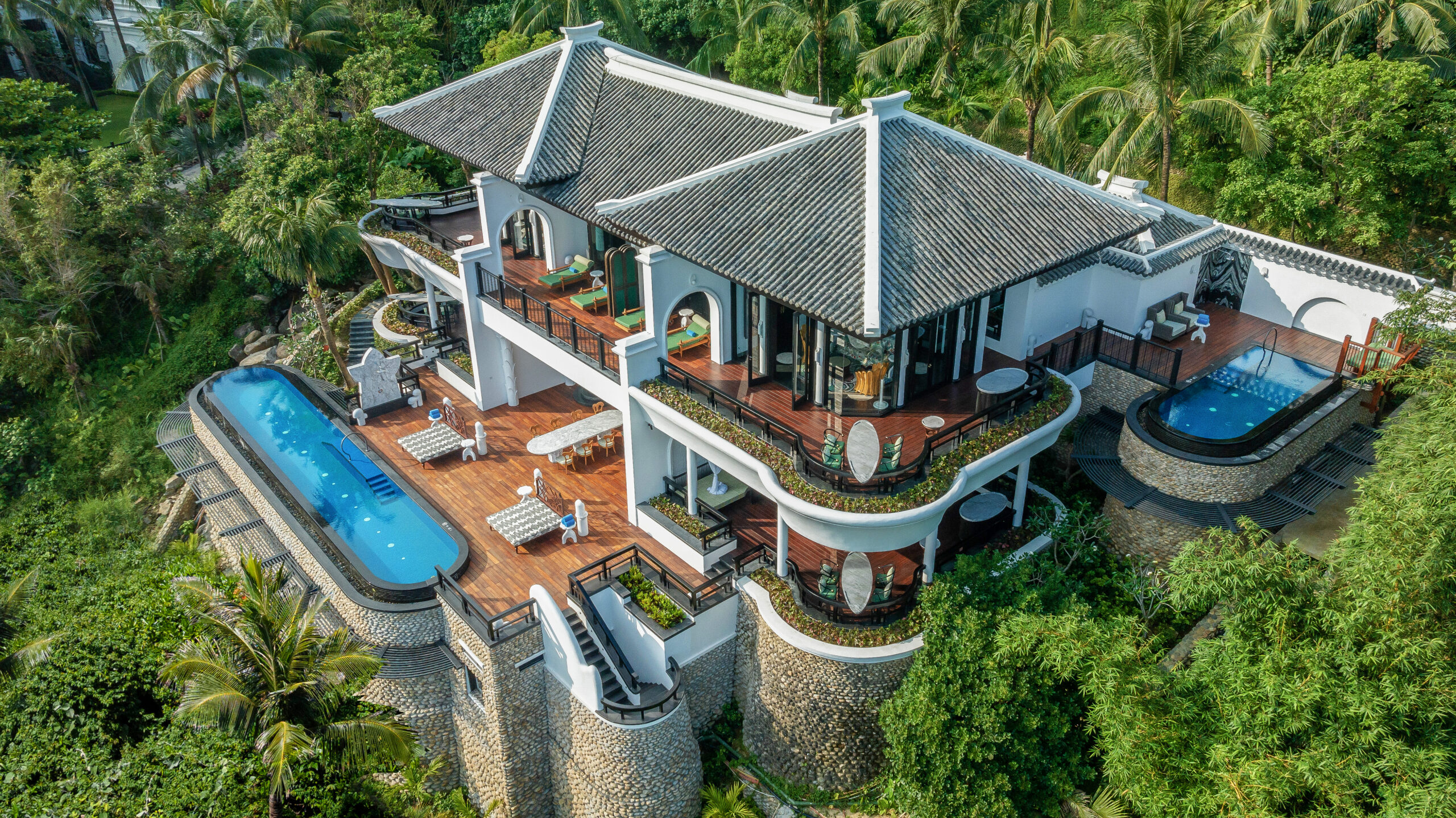



Naman Retreat
Naman Retreat is 5-star resort that seamlessly blends timeless Vietnamese heritage and culture with luxurious modern charm. The resort is ideal for luxury and relaxation with its' convenient location: easy access to the aestethic Hoi An city, short distance to dynamic Da Nang city, and historical city Hue.

Shilla Monogram Danang
Set atop the tranquil sandy beachfront between Danang city and the UNESCO World Heritage town of Hoi An, Shilla Monogram Danang Resort is just 20-minute drive from both sites, making it convenient for guests to combine beachfront stay with a visit to Hoi An, Danang and nearby historic attractions.

Danang Marriott Resort & Spa
Find peace at Danang Marriott Resort and Spa. Our luxury resort in Da Nang, Vietnam, combines traditional Cham architecture with French Indochine influences.

Cham Island Daily Discovery Tour
Escape the bustling streets and set sail to Cham Island, a UNESCO-recognized World Biosphere Reserve off the coast of Hoi An. Glide across the azure waves of Cu...
.jpg)
Cham Island Traditional Handicraft Cultural Tour
An intimate, heritage-focused journey tailored for small groups (2 to 15 guests) celebrating the ancestral crafts of Cham Island. Beyond breathtaking seascapes,...

Cham Island 2-Day 1-Night Homestay Retreat
A slow-paced 2-day island retreat offering complete immersion into the serene nightlife and dawn tranquility of Cham Island. Stay at a welcoming local homestay,...
アンディ・田中 (Andy Tanaka)
Golfer - Japan
Smooth & Professional Golf Arrangement
"I had an excellent experience with Johnny from Hoi An, Vietnam, who works as a golf agent. From start to finish, everything was handled smoothly and professionally. He arranged my transfer to the golf course, provided high-quality equipment including clubs and balls, and made sure I had everything I needed for a great day of golf."
Tom W.
Golfer - United Kingdom
Easy Booking & Clear Pricing at Hoiana Shores and Ba Na Hills
"I played two courses. Johnny sorted everything out and it was all easy. Pricing was clear and included everything except tip for the caddies. I played Hoiana shores and Ba Na hills. I got in touch with J from the UK originally and I'm glad I did; it made the experience very easy and smooth."
Như V.
Family of 5 Golfers - USA
Impressive Golf Sessions & On-Time Shuttle Service
"Our family of 5 golfers came from the Usa and stayed at the Renaisan-Marriot hotel. May 20. We contacted Mr. Johnny Golf center 24.7. He arranged everything from clubs and shuttle bus very well and on time to Vinpearl Golf club & Hoiana Shore Golf club. We had 2 fun and impressive golf sessions, thank you Mr. Johnny team."